Environmentally Friendly Paper Plates Guide

+86-19063710710
All Categories

Get a Free Quote

Our representative will contact you soon.
Email
Mobile WhatsApp
Name
Company Name
Message
0/1000

environmentally friendly paper plates

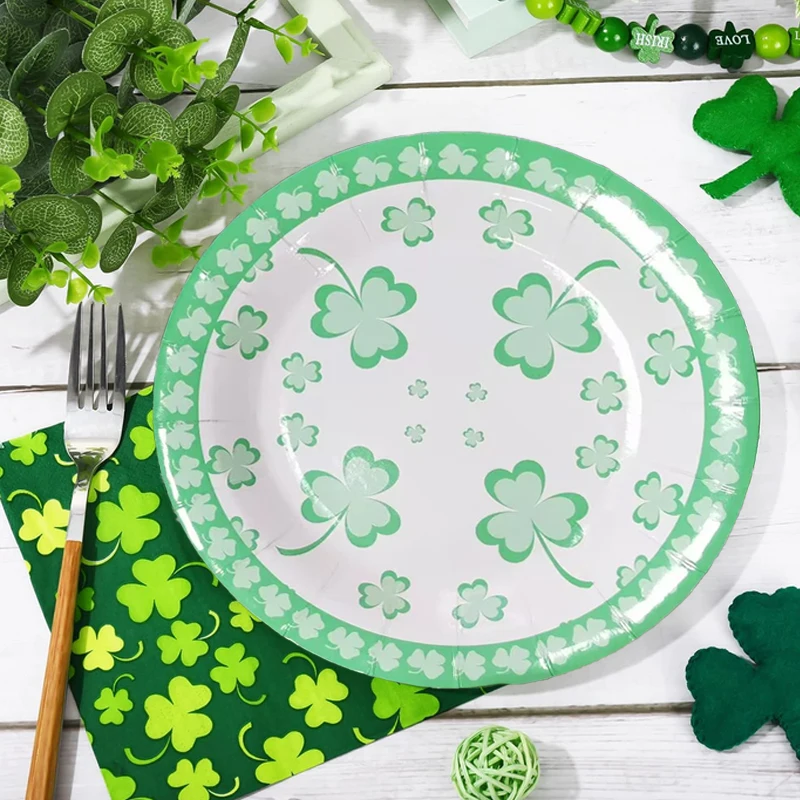
Environmentally friendly paper plates represent a sustainable alternative to traditional disposable tableware, designed to minimize ecological impact while maintaining functionality and convenience. These plates are manufactured from renewable resources such as bamboo fiber, sugarcane bagasse, wheat straw, or recycled paper pulp, ensuring biodegradability and compostability. The main functions include serving food at various events, reducing cleanup time, and providing hygienic single-use options without contributing to long-term environmental pollution. Technologically, environmentally friendly paper plates feature advanced production methods that eliminate harmful chemicals and bleaching agents, resulting in products free from toxins and safe for direct food contact. Many variants incorporate water-resistant coatings derived from plant-based materials rather than plastic linings, maintaining structural integrity even with hot or liquid foods. The applications span diverse settings including outdoor gatherings, corporate events, food service establishments, catering operations, educational institutions, and household use. These plates are particularly valued in eco-conscious venues, festivals promoting sustainability, and businesses seeking to demonstrate environmental responsibility. Available in multiple sizes and designs, environmentally friendly paper plates accommodate everything from appetizers to full meals. Their versatility extends to both cold and hot food service, with heat-resistant properties that prevent warping or leaking. As consumer awareness about environmental issues grows, these plates have become essential for anyone seeking to reduce their carbon footprint while maintaining the convenience of disposable tableware.

New Products

Choosing environmentally friendly paper plates delivers substantial practical benefits that extend beyond environmental consciousness. The primary advantage lies in their biodegradability, as these plates decompose naturally within weeks or months compared to conventional plastic or foam alternatives that persist for centuries in landfills. This characteristic translates directly into reduced waste management costs for businesses and municipalities while supporting corporate sustainability goals. Operationally, these plates offer exceptional convenience without environmental guilt, eliminating the need for washing dishes and reducing water consumption and energy usage associated with cleaning reusable tableware. For event organizers and food service operators, environmentally friendly paper plates streamline logistics by simplifying post-event cleanup while meeting increasingly stringent environmental regulations and green certification requirements. The application suitability is remarkably broad, as modern manufacturing techniques have produced plates capable of handling various food types, temperatures, and moisture levels without compromising structural integrity. Restaurants, caterers, and food trucks benefit from the professional appearance these plates provide while appealing to environmentally conscious customers who actively seek businesses aligned with their values. From a decision-making perspective, the cost differential between environmentally friendly paper plates and traditional disposables has narrowed significantly due to scaled production and growing demand, making sustainable choices financially viable. Buyers gain reputational advantages by demonstrating environmental stewardship, which enhances brand image and customer loyalty, particularly among younger demographics who prioritize sustainability. Additionally, these plates eliminate health concerns associated with chemical leaching from plastic products, providing peace of mind for families and food service professionals. The availability of compostable options means used plates can be transformed into nutrient-rich soil amendments rather than occupying landfill space, creating a circular economy model that adds tangible value to purchasing decisions.

Practical Tips

Wenhong Wins 'Annual Innovation Enterprise' Award, Leading New Trends in Paper Party Supplies

08

Jun

Wenhong Wins 'Annual Innovation Enterprise' Award, Leading New Trends in Paper Party Supplies

View More
WenHong Collaborates with International Renowned Designers to Launch New 'Oriental Charm' Series of Party Tableware

08

Jun

WenHong Collaborates with International Renowned Designers to Launch New 'Oriental Charm' Series of Party Tableware

View More
WenHong Releases 2026 Corporate Social Responsibility Report: Green Manufacturing, Co-creating a Sustainable Future

08

Jun

WenHong Releases 2026 Corporate Social Responsibility Report: Green Manufacturing, Co-creating a Sustainable Future

View More

Get a Free Quote

Our representative will contact you soon.
Email
Mobile WhatsApp
Name
Company Name
Message
0/1000

environmentally friendly paper plates

Sustainable Material Composition and Biodegradability

Sustainable Material Composition and Biodegradability

The cornerstone feature of environmentally friendly paper plates is their composition from renewable, plant-based materials that naturally decompose without leaving harmful residues. Unlike petroleum-based plastics that fragment into microplastics polluting ecosystems for generations, these plates are crafted from rapidly renewable resources including bamboo, sugarcane bagasse, palm leaves, and wheat straw that regenerate quickly after harvesting. The biodegradation process occurs through natural microbial action, typically completing within 60 to 180 days in commercial composting facilities or home compost bins. This rapid decomposition cycle means environmentally friendly paper plates return valuable organic matter to the soil, enriching it with nutrients rather than accumulating as persistent waste. For consumers and businesses committed to reducing environmental impact, this feature represents a fundamental shift from linear waste models to regenerative systems. The absence of plastic coatings or synthetic binders ensures complete breakdown without toxic residue, making these plates suitable for organic waste streams. This characteristic is particularly valuable for venues with composting programs, enabling seamless integration into existing waste management infrastructure while diverting substantial material from landfills and reducing methane emissions associated with anaerobic decomposition of mixed waste.
Chemical-Free Production and Food Safety

Chemical-Free Production and Food Safety

Manufacturing processes for environmentally friendly paper plates prioritize human health and environmental protection by eliminating harmful chemicals, chlorine bleaching, and toxic additives commonly used in conventional paper products. This chemical-free approach results in plates free from PFAS compounds, BPA, phthalates, and other endocrine-disrupting substances that can migrate into food, particularly when exposed to heat or acidic conditions. The natural fibers retain their inherent strength without requiring chemical reinforcement, while plant-based water-resistant coatings derived from materials like cornstarch or vegetable oils replace petroleum-based plastic linings. For families with young children, individuals with chemical sensitivities, and health-conscious consumers, this feature provides critical assurance that their food remains uncontaminated during serving. Food service businesses benefit from reduced liability risks and compliance with increasingly stringent food safety regulations governing food contact materials. The absence of synthetic chemicals also means production facilities generate less hazardous waste and pollution, contributing to cleaner manufacturing ecosystems. This commitment to purity extends throughout the supply chain, with many manufacturers obtaining certifications from organizations verifying non-toxic composition and sustainable sourcing practices, giving buyers credible third-party validation of safety claims and environmental integrity.
Versatile Performance Across Applications

Versatile Performance Across Applications

Despite their environmental benefits, environmentally friendly paper plates deliver robust performance characteristics that match or exceed conventional disposable tableware across diverse applications. Advanced engineering and fiber technology enable these plates to withstand hot foods, oily dishes, and liquid-based meals without becoming soggy, leaking, or losing structural integrity during typical meal durations. The plates maintain rigidity even when loaded with substantial portions, eliminating the frustration of flimsy tableware that bends or collapses. This versatility makes environmentally friendly paper plates suitable for casual backyard barbecues, formal corporate events, food truck operations, school cafeterias, and emergency relief situations where reliable disposable tableware is essential. Temperature resistance allows safe serving of foods straight from ovens or grills, while cut-resistant surfaces accommodate knives for cutting proteins and vegetables. The range of available sizes, shapes, and designs accommodates everything from hors d'oeuvres to full dinner portions, with compartmented options for meals requiring separation of different food items. For event planners and caterers, this reliability reduces concerns about product failure that could disrupt service or create negative guest experiences. The aesthetic appeal of natural fiber textures and earth-tone colors adds visual interest that complements contemporary sustainable design trends, enhancing presentation while reinforcing environmental messaging.

Get a Free Quote

Our representative will contact you soon.
Email
Mobile WhatsApp
Name
Company Name
Message
0/1000