 EN
EN
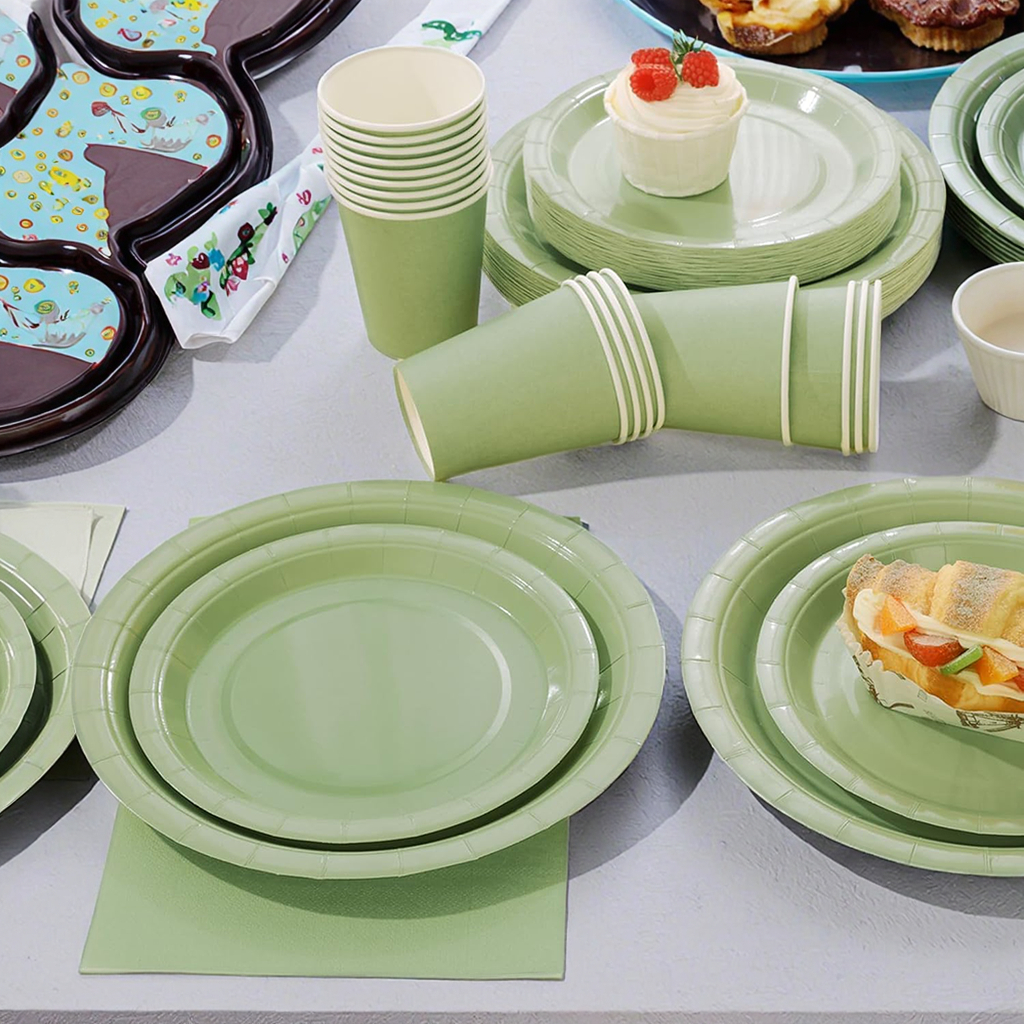
Selecting the right printed paper cups for your food and beverage business requires careful attention to food safety standards, finish quality, and regulatory compliance. Printed paper cups serve as both functional containers and marketing tools, but their primary responsibility is protecting the contents while maintaining strict hygiene standards. Understanding how to compare printed paper cups ensures you invest in products that safeguard your customers' health while reinforcing your brand identity through quality design and reliable performance.
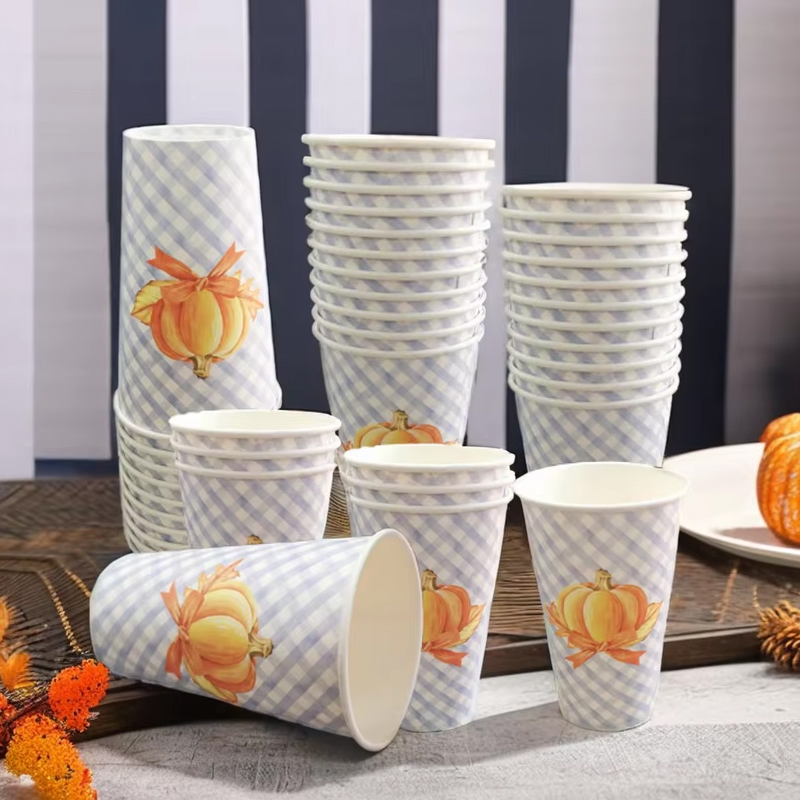
The market for printed paper cups has expanded dramatically, offering a wide variety of materials, coatings, sizes, and customization options. However, not all printed paper cups meet the same safety standards or deliver equivalent performance under different usage conditions. When comparing options, you must evaluate food contact surface materials, ink safety certifications, barrier coatings, and manufacturing processes to make informed decisions that protect both your customers and your business reputation.
Understanding Food Contact Surface Standards for Printed Paper Cups
FDA Compliance and Material Requirements
Printed paper cups intended for food service must comply with FDA regulations governing food contact materials. The printed paper cups you select should be manufactured from virgin fiber or recycled fiber that meets FDA standards for direct food contact. When evaluating printed paper cups, verify that the base material has been certified by the manufacturer and that documentation is available upon request. This certification demonstrates that the printed paper cups have undergone proper testing and meet baseline safety requirements before any printing or coating processes are applied.
The interior coating of printed paper cups is equally important as the base paper material. Most food-grade printed paper cups feature polyethylene or polypropylene coatings on the interior surface to prevent liquid absorption and maintain structural integrity. Quality printed paper cups use food-safe coating formulations that prevent leaching of chemicals into beverages. When comparing printed paper cups, ask manufacturers for safety data sheets and confirm that coatings comply with FDA Title 21 requirements for food contact surfaces.
Ink and Printing Process Safety
The printing process applied to your printed paper cups must meet specific safety standards to prevent ink migration into food products. Soy-based inks and vegetable-based inks are preferable choices for printed paper cups because they reduce the risk of harmful chemical transfer. Traditional petroleum-based inks used on some printed paper cups may pose greater contamination risks, particularly when exposed to high temperatures or acidic beverages. Comparing printed paper cups requires asking whether inks are applied on the exterior surface only or whether interior printing is used, as this affects potential contact with food.
Heat-set and UV-cured printing processes are common methods for finishing printed paper cups. UV-cured inks on printed paper cups dry quickly and create durable finishes that resist fading and smudging. Manufacturers of quality printed paper cups should provide certifications confirming that inks meet FDA regulations for non-food contact surfaces or migration testing results if inks come into indirect food contact. This distinction is critical when comparing printed paper cups for beverages that might contact the exterior surface.
Evaluating Finish Quality and Durability in Printed Paper Cups
Surface Coating and Moisture Resistance
The finish quality of printed paper cups directly impacts their performance in real-world food service environments. Printed paper cups with high-quality coatings maintain their structural integrity when filled with hot or cold beverages and resist degradation over extended contact periods. When comparing printed paper cups, evaluate how well the finish resists water absorption, as poor moisture barriers lead to cup softening, leaking, and potential contamination. Premium printed paper cups feature multi-layer coating systems that provide superior barrier properties compared to basic single-layer alternatives.
The glossy or matte finish applied to printed paper cups affects both aesthetics and functionality. Glossy finishes on printed paper cups create professional appearance and enhance color vibrancy but may show fingerprints more readily. Matte finishes on printed paper cups offer superior grip and reduce glare while hiding minor imperfections. When comparing printed paper cups, consider your specific application and customer handling expectations, as finish choice influences both brand perception and practical usability.
Print Durability and Fade Resistance
Durability of printed graphics is essential for maintaining brand presentation throughout the product lifecycle. High-quality printed paper cups resist fading when exposed to sunlight, refrigeration, or extended storage in warehouses. Comparing printed paper cups means evaluating how well designs maintain color saturation and clarity under various environmental conditions. Inferior printed paper cups may show color degradation, ink cracking, or design blur within weeks of production or distribution, damaging brand credibility.
The bond between ink and cup surface determines print longevity on printed paper cups. Superior printing processes create molecular-level adhesion that prevents design peeling or flaking when cups are handled, stacked, or transported. When comparing printed paper cups, request information about the curing process and ink adhesion testing standards used by manufacturers. This ensures printed paper cups maintain their visual appeal and professional appearance throughout their shelf life and customer interaction.
Key Comparison Factors and Certification Requirements
International and Regional Safety Certifications
Printed paper cups sold in different markets must comply with region-specific food safety regulations. European Union regulations for printed paper cups are more stringent than FDA standards in some areas, requiring additional testing and certification. When comparing printed paper cups for international distribution, verify compliance with both source market and destination market requirements. Certifications such as BPA-free claims, European Food Safety Authority approval, and ISO standards for printed paper cups provide third-party validation of safety measures.
The printed paper cups you select should come with traceability documentation and batch testing records that demonstrate consistent compliance across production runs. Manufacturers of reliable printed paper cups maintain chain-of-custody records showing material sourcing, production processes, and quality control results. When comparing printed paper cups, request access to these records or summaries proving that safety standards are maintained consistently rather than randomly tested.
Testing and Performance Specifications
Standardized testing protocols help establish baseline performance expectations for printed paper cups. Migration testing evaluates whether chemicals transfer from printed paper cups into food or beverages under simulated use conditions. Comparative analysis of printed paper cups should include published migration test results and limits compliance documentation. Temperature stress tests for printed paper cups assess how coatings and inks perform when exposed to hot liquids, revealing potential weaknesses in lower-quality alternatives.
Mechanical testing validates that printed paper cups maintain structural integrity under normal handling and use. Compression tests measure how well printed paper cups resist crushing when stacked or boxed during distribution. Leak tests for printed paper cups confirm that interior coatings prevent liquid seepage. When comparing printed paper cups options, prioritize manufacturers who conduct and publish these tests, as data-backed claims provide objective performance comparison versus supplier anecdotes.
FAQ
What specific certifications should printed paper cups have for food safety?
Printed paper cups should carry FDA food contact substance certifications for interior coating materials and base paper. European markets require printed paper cups to meet EU Regulation 10/2011 standards, while some retailers demand BPA-free certification, sustainable sourcing verification, or specific ink safety approvals. Manufacturers of quality printed paper cups should provide certificates of compliance, test reports, and declaration of conformity documentation upon request. These certifications demonstrate that printed paper cups have undergone third-party validation and meet published safety standards rather than relying solely on supplier claims.
How do I verify that ink used on printed paper cups won't contaminate beverages?
Quality printed paper cups use exterior printing only, keeping inks away from direct food contact surfaces. Request safety data sheets from manufacturers of printed paper cups confirming ink composition and migration test results. Soy-based or water-based inks are safer options for printed paper cups compared to traditional petroleum-based alternatives. Manufacturers should provide migration testing data showing that inks on printed paper cups remain below regulatory thresholds when exposed to typical beverage conditions, including heat and acidity.
What finish quality indicators should I look for when comparing printed paper cups?
Inspect sample printed paper cups for consistent coating coverage, vibrant color reproduction, and no visible defects or thin spots in the interior barrier. Run water absorption tests on printed paper cups samples by placing them on damp surfaces and observing how quickly the material softens or warps. Evaluate printed paper cups for consistent print quality across the entire design, checking for color gradients, registration accuracy, and ink adhesion by attempting to smudge or scratch the surface gently. Request production samples from different batch runs of printed paper cups to verify quality consistency rather than judging based on samples optimized for sales presentations.