 EN
EN

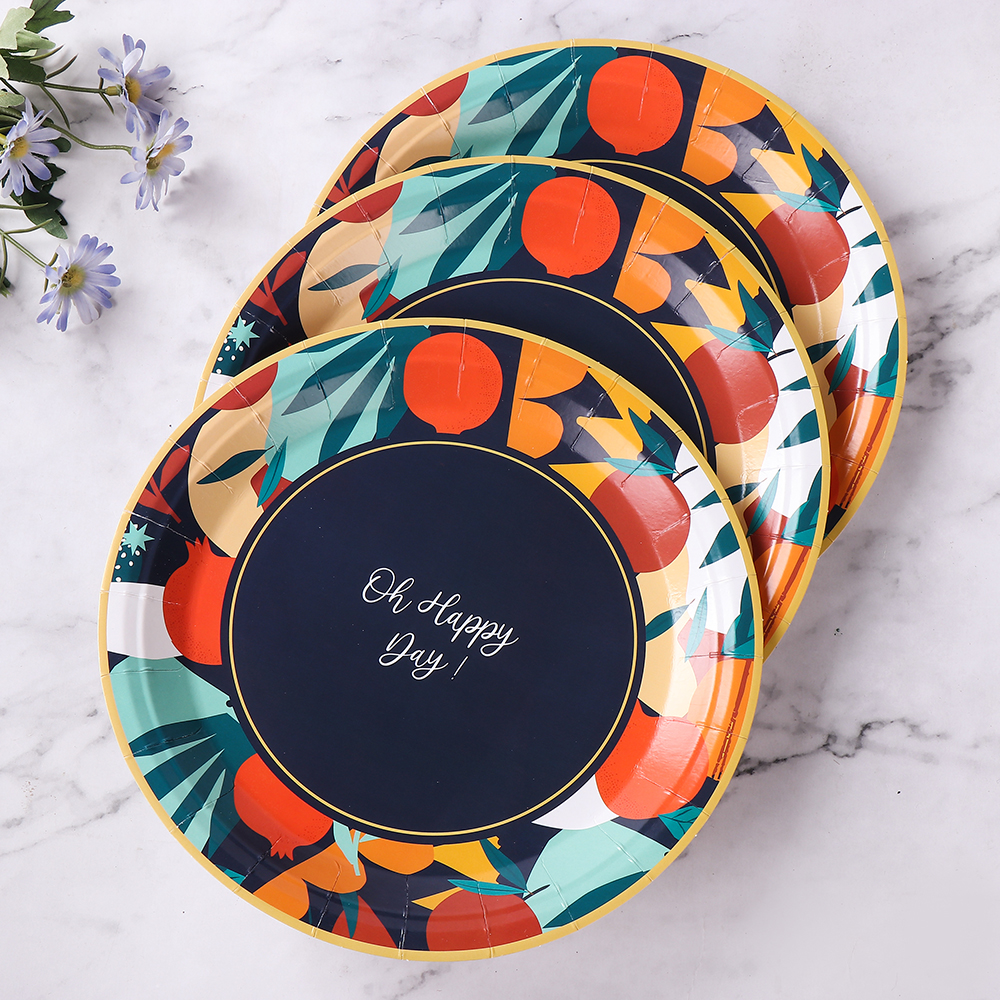
Serving gravy-based dishes on standard paper plates presents a significant challenge for food service professionals, home entertainers, and catering businesses. The liquid nature of gravy quickly saturates traditional paper plates, leading to structural failure, unsightly leakage, and compromised food presentation. Understanding how to prevent leakage from paper plates when handling gravy-based dishes is essential for maintaining food safety standards and ensuring a positive dining experience. Whether you're hosting a formal dinner, managing a catering event, or running a busy restaurant, selecting and using the right paper plates can make a substantial difference in preventing costly mistakes and customer dissatisfaction.
Gravy and other liquid-based sauces present unique challenges that standard paper plates simply cannot withstand. When moisture seeps through the fiber structure, it weakens the plate's integrity and causes it to warp, bend, or even collapse under the weight of food. This problem intensifies when hot gravy is involved, as heat accelerates the absorption process and breaks down the paper's binding properties. The key to preventing leakage from paper plates lies in understanding the material construction, applying protective barriers, and selecting specialized paper plates designed for moisture-heavy dishes.
Selecting Water-Resistant Paper Plates
Understanding Coating Technologies
Modern paper plates are manufactured with various coatings designed to resist moisture penetration. The most effective paper plates for gravy-based dishes feature polyethylene or polyester coatings that create a waterproof barrier on both the top and bottom surfaces. These coated paper plates significantly outperform uncoated varieties when handling liquid-based foods. The thickness of the coating directly impacts how long paper plates can resist saturation before structural degradation occurs. Premium paper plates often feature multiple coating layers that extend their resistance to gravy and other gravies beyond the capabilities of basic disposable options.
Evaluating Plate Thickness and Material Quality
Thicker paper plates provide greater structural integrity when exposed to moisture and weight from gravy-based dishes. Paper plates manufactured from high-quality virgin fiber pulp demonstrate superior resistance compared to recycled alternatives. When selecting paper plates for serving gravy-based dishes, look for products with a caliper rating of at least 0.20 inches, which provides adequate rigidity. The compartmentalized design of some paper plates helps contain gravy-based liquids separately from other food items, further reducing the risk of cross-contamination and leakage. Purchasing paper plates with reinforced rims and structured bottoms adds another layer of protection against the pressures created by gravy and sauce accumulation.
Implementing Protective Barrier Methods
Using Double-Plating Techniques
One effective strategy for preventing leakage from paper plates involves using a double-plating system. Placing a secondary paper plate beneath the primary one creates an additional moisture barrier and provides backup structural support. This method works particularly well for buffet-style service where paper plates might sit for extended periods. Double-layering paper plates is especially useful in high-volume catering situations where gravy-based dishes are a standard offering. The air space between the two paper plates also allows for heat dissipation, reducing the internal moisture buildup that contributes to plate breakdown. Many food service professionals consider this simple technique indispensable when serving gravy-based dishes on paper plates.
Applying Protective Liners and Barriers
Parchment paper, wax paper, or specialized food-grade liners can be placed directly on paper plates before adding gravy-based dishes. These liners create an additional waterproof layer that prevents direct contact between the gravy and the plate surface. Aluminum foil is another practical barrier option that offers excellent moisture resistance and heat reflection properties. When using paper plates for gravy-based dishes at formal events, consider using decorative paper napkins or absorbent paper towels strategically placed beneath food items. Silicone-treated paper products provide superior protection compared to standard paper liners and can be an investment-worthy choice for frequent catering operations serving gravy-based dishes.
Best Practices for Service and Handling
Timing and Temperature Management
The timing of when gravy is added to paper plates significantly affects leakage risk. Adding gravy-based dishes at the final moment before serving, rather than during preparation, reduces saturation time and minimizes moisture absorption into the paper. Allowing gravy-based sauces to cool slightly before serving on paper plates extends their moisture resistance. Maintaining appropriate serving temperatures ensures that paper plates retain their structural integrity throughout the meal. Hot gravy causes paper plates to soften more rapidly than room-temperature options, accelerating the leakage process. Strategic spacing of gravy-based dishes on paper plates, keeping them separated from other items, helps maintain dry zones that support the plate structure.
Portioning and Presentation Strategies
Proper portion control plays a critical role in preventing leakage from paper plates holding gravy-based dishes. Overfilling compartments with gravy increases downward pressure and accelerates saturation of the paper. Using paper plates with divided sections allows you to contain gravy-based sauces in specific areas while keeping other food items dry. Elevated presentation techniques, such as placing gravy-based dishes slightly above the plate surface or using small containers within the paper plate compartments, reduce direct contact and leakage risk. For buffet settings, encourage guests to take smaller amounts of gravy initially, with options for seconds to prevent overwhelming paper plates with excessive moisture. Training food service staff on proper plating techniques ensures consistent application of leakage-prevention methods across all paper plates used for gravy-based dishes.
FAQ
What makes paper plates vulnerable to gravy-based dishes?
Standard paper plates lack sufficient moisture barriers to withstand prolonged exposure to gravy and other liquid-based foods. The fiber structure of uncoated paper absorbs liquid quickly, weakening the plate's bonding agents and causing structural degradation. Heat from hot gravy accelerates this process significantly, making paper plates even more susceptible to breakdown. Over time, the cumulative weight and moisture from gravy-based dishes overwhelms the paper's capacity, resulting in visible leakage and plate failure. This vulnerability increases dramatically when paper plates are used for extended periods without protective measures.
Are waterproof paper plates worth the investment for serving gravy-based dishes?
Waterproof or heavily coated paper plates offer significantly better performance when handling gravy-based dishes compared to standard options. While they typically cost more per unit, the reduction in waste, improved food presentation, and elimination of embarrassing leakage incidents often justify the higher investment. For catering businesses and restaurants serving gravy-based dishes regularly, switching to quality paper plates with superior moisture resistance provides substantial long-term savings. Customers perceive food served on sturdy, leak-free paper plates more favorably than food compromised by soggy or compromised plates. For occasional home use, combining standard paper plates with protective barriers offers a cost-effective alternative to premium options.
How long can paper plates safely hold gravy-based dishes before leakage becomes likely?
The timeline for leakage depends heavily on the paper plates' coating quality, the volume of gravy present, and the serving temperature. Premium waterproof paper plates can typically handle gravy-based dishes for 30 to 45 minutes without significant saturation. Standard uncoated paper plates begin showing visible leakage signs within 10 to 15 minutes when exposed to hot gravy-based dishes. For optimal food safety and presentation, it is recommended to serve gravy-based dishes on paper plates within 20 minutes of plating. In buffet settings where paper plates might sit longer, applying protective liners extends the safe serving window considerably and prevents the common problem of gravy pooling at the plate bottom.