 EN
EN
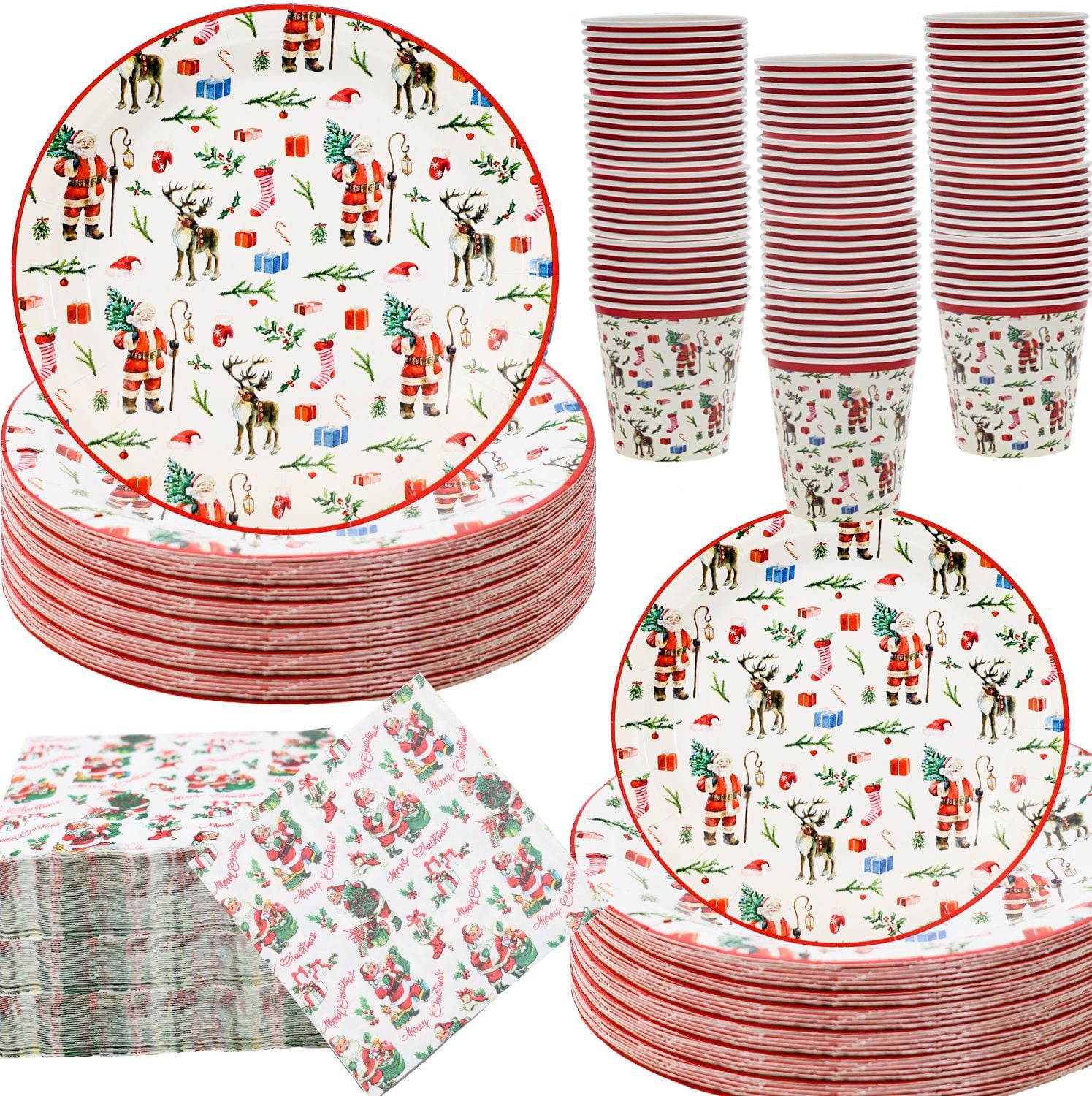
Finding reliable suppliers for printed paper plates that meet microwave-safe standards is a critical decision for restaurants, catering businesses, and foodservice operations. The market offers countless options, but not all printed paper plates deliver the durability, safety certifications, and visual appeal that modern food service demands. Understanding how to source printed paper plates with the right specifications ensures your business maintains quality standards while protecting customer safety and satisfaction.
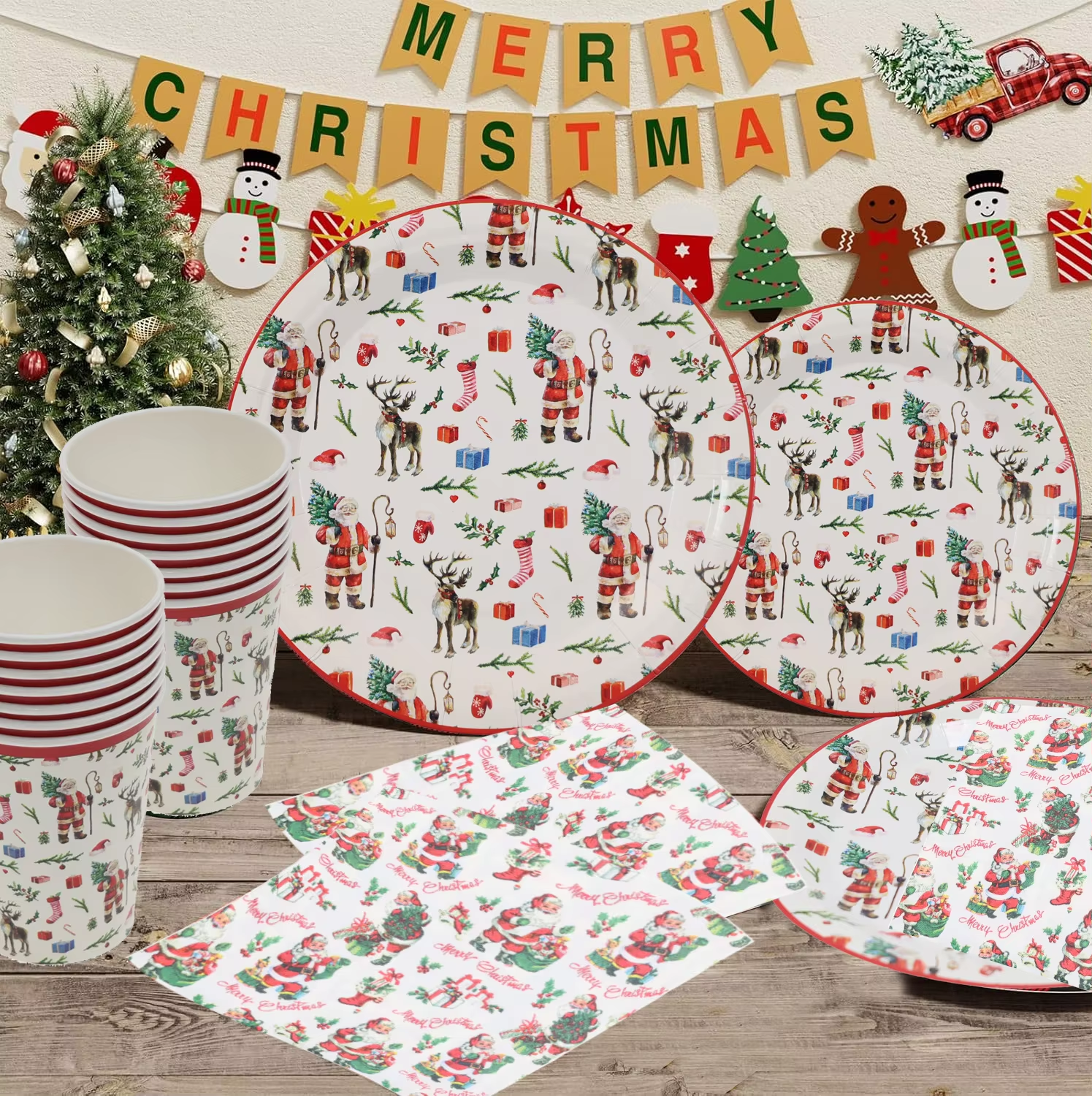
Sourcing printed paper plates requires balancing multiple factors: microwave safety compliance, food-grade material composition, design customization capabilities, bulk pricing, and delivery reliability. This guide walks you through the essential steps to identify reputable suppliers, verify product standards, and negotiate terms that align with your operational needs and budget constraints.
Understanding Microwave-Safe Standards for Printed Paper Plates
What Makes Printed Paper Plates Microwave-Safe
Microwave-safe printed paper plates must be engineered to withstand thermal stress without degrading, releasing harmful chemicals, or compromising structural integrity. The printing inks, coating layers, and paper substrate all contribute to overall safety performance. When sourcing printed paper plates, verify that the manufacturer uses food-grade inks that contain no heavy metals, BPA, or other regulated substances that could migrate into food during microwave heating.
The paper composition itself must be designed for moisture and heat resistance. Quality printed paper plates typically incorporate polyethylene (PE) or polylactic acid (PLA) coatings that create a protective barrier while remaining microwave-compatible. Manufacturers of printed paper plates must specify coating thickness, material composition, and safety certifications to demonstrate compliance with FDA and international food contact standards.
Key Certifications and Compliance Requirements
When evaluating suppliers for printed paper plates, demand documentation of relevant certifications including FDA food contact approval, ISO 9001 quality management certification, and LFGB (German food safety law) compliance. These credentials indicate that the manufacturer maintains strict quality control during production of printed paper plates. Request certificates of analysis that detail ink composition, coating materials, and microwave testing results performed by accredited laboratories.
Reputable suppliers of printed paper plates will readily provide safety data sheets (SDS) for all inks and coatings used in their products. They should also offer evidence of third-party testing confirming that their printed paper plates withstand repeated microwave cycles without releasing contaminants. This documentation protects your business from liability and demonstrates due diligence to health inspectors and customers.
Evaluating Suppliers and Product Specifications
Assessing Supplier Credentials and Production Capacity
Sourcing printed paper plates from qualified manufacturers requires verifying production capabilities, quality control systems, and supply chain transparency. Request information about the supplier's manufacturing facility, including equipment specifications, staff training programs, and quality assurance protocols specific to printed paper plates production. Facilities certified under ISO 9001 or ISO 22000 (food safety management) demonstrate commitment to consistent product standards.
Evaluate supplier capacity to handle your volume requirements while maintaining printed paper plates quality consistency. Ask about minimum order quantities, lead times, and flexibility for urgent reorders. Reputable manufacturers maintain buffer inventory and use batch tracking systems for printed paper plates, enabling rapid identification and management of any quality issues that may arise during distribution or use.
Customization Options and Design Considerations
When sourcing printed paper plates, explore the supplier's design capabilities and customization offerings. Quality manufacturers provide digital design consultation, allowing you to optimize printed paper plates layouts for branding while ensuring safety compliance. Discuss color options, finish treatments (matte, glossy, satin), and edge designs that enhance both aesthetic appeal and functional performance of your printed paper plates.
Request samples of printed paper plates in various sizes, patterns, and specifications before placing large orders. Test these samples in your actual operating environment to verify microwave performance, durability under your specific usage patterns, and customer acceptance. Ask the supplier about their design revision process and whether they absorb costs for initial sample development when sourcing printed paper plates for significant volume commitments.
Negotiating Terms and Ensuring Long-Term Quality Consistency
Pricing, Delivery, and Payment Structure
Sourcing printed paper plates at competitive prices requires understanding the cost drivers: material input costs, design complexity, order volume, and logistics. Request quotes from multiple suppliers, ensuring comparisons are based on identical specifications for printed paper plates. Volume discounts typically apply, but verify that discounted printed paper plates maintain identical quality standards and certifications as premium offerings.
Negotiate payment terms that align with your cash flow needs, such as net-30 or net-60 arrangements with established suppliers. Clarify delivery schedules, shipping costs, and damage liability for printed paper plates shipments. Include specific language in purchase agreements addressing quality guarantees, dispute resolution procedures, and supplier obligations to replace defective printed paper plates at no cost to your business.
Quality Monitoring and Ongoing Supplier Management
Implement incoming inspection protocols when sourcing printed paper plates to verify that delivered products match specifications and certifications promised. Establish baseline samples representing acceptable printed paper plates quality, and conduct periodic spot-checks throughout your inventory. Document any quality deviations and communicate findings to your supplier promptly to facilitate rapid corrective action.
Maintain ongoing communication with your printed paper plates supplier to discuss market changes, material cost fluctuations, and emerging technology improvements. Attend industry trade shows where manufacturers showcase innovations in printed paper plates design, sustainability improvements, and new coating technologies. Review your sourcing strategy annually to ensure your supplier continues meeting your operational needs while offering competitive value on printed paper plates.
FAQ
Can all printed paper plates be used in microwave ovens?
No, not all printed paper plates are microwave-safe. Standard printed paper plates may contain inks or coatings that degrade under microwave heat or release harmful substances into food. When sourcing printed paper plates, always confirm microwave compatibility and request documentation of safety testing before purchasing for foodservice applications where microwave use is anticipated.
What certifications should I verify when sourcing printed paper plates?
Essential certifications for sourcing printed paper plates include FDA food contact material approval, ISO 9001 quality management certification, and LFGB compliance. Request certificates of analysis detailing ink composition and coating specifications for printed paper plates. Third-party testing documentation confirming microwave cycle durability is also critical when sourcing printed paper plates for commercial use.
How do I ensure consistent quality when sourcing printed paper plates from suppliers?
Implement incoming quality inspections, establish baseline samples, and maintain regular communication with your supplier when sourcing printed paper plates. Include quality guarantees and compliance documentation in your purchase agreements for printed paper plates. Conduct periodic microwave testing on received batches and document performance to ensure continuous adherence to your specifications and standards for printed paper plates.