 EN
EN
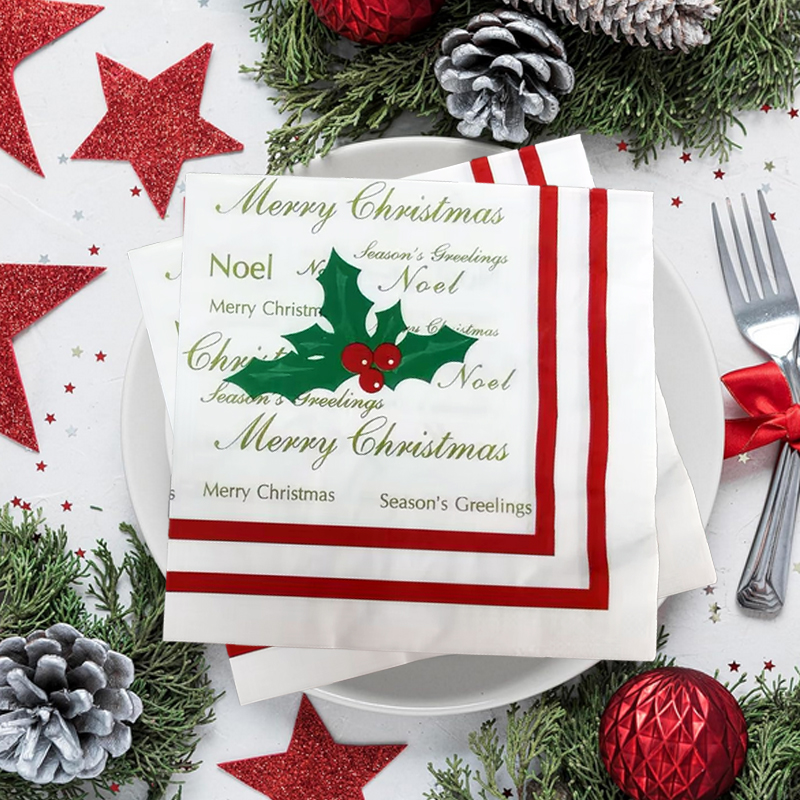
The decision to invest in quality paper crafts begins with understanding that not all materials and printing methods deliver the same results. When you're selecting options for paper crafts projects, whether for personal use, small business operations, or large-scale production, comparing printing techniques and material choices becomes essential to achieving your desired outcomes. Paper crafts demand careful attention to substrate quality, ink compatibility, durability, and aesthetic appeal. Without comparing paper crafts options systematically, you risk wasting resources on unsuitable materials or inefficient printing processes that don't match your actual requirements.
Distributors and manufacturers working with paper crafts understand that business success hinges on making informed material and production decisions. The paper crafts market encompasses numerous substrate varieties, from standard cardstock to specialty air-laid materials, each offering distinct advantages for different applications. Comparing paper crafts printing methods—whether digital, offset, or specialty processes—reveals significant differences in cost efficiency, color vibrancy, production speed, and final product quality. This comparative approach ensures that your paper crafts operations align with both customer expectations and operational budgets.
Understanding Paper Crafts Material Variations
Core Substrate Characteristics in Paper Crafts
Paper crafts materials vary fundamentally in fiber composition, weight, texture, and surface finish. Comparing paper crafts options requires understanding how virgin fiber content affects durability and feel, how basis weight influences thickness and perceived quality, and how surface treatments impact ink absorption and final appearance. Standard craft papers typically range from 80 to 300 gsm, while specialty paper crafts materials may exceed these ranges for premium applications. Each substrate in the paper crafts category responds differently to humidity, handling, and aging, making material comparison crucial for long-term performance predictions.
Specialty Papers for Enhanced Paper Crafts Performance
Advanced paper crafts often benefit from specialty substrates like air-laid materials, which offer superior absorbency and texture compared to traditional options. When comparing paper crafts materials, air-laid papers demonstrate exceptional softness, enhanced linen-feel finishes, and improved liquid absorption—advantages that standard kraft or tissue papers cannot match. Recycled content options provide sustainability benefits for environmentally conscious paper crafts applications, while coated variants offer superior ink holdout and color saturation. Evaluating these specialty paper crafts options helps determine which materials justify premium costs through measurable performance gains.
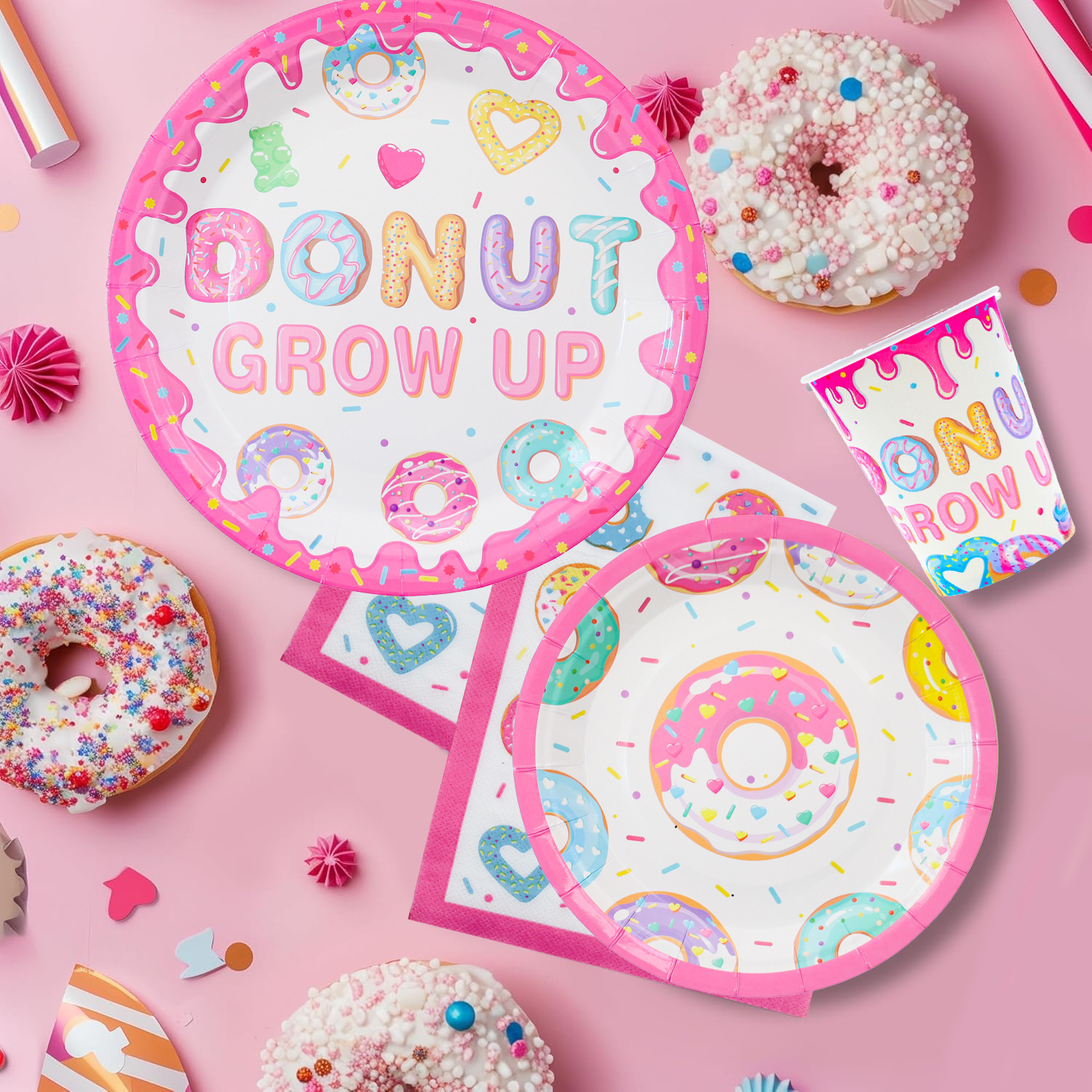
Printing Methods and Quality Implications for Paper Crafts
Comparing Paper Crafts Printing Technologies
Digital printing represents one approach to paper crafts production, offering flexibility for short runs and variable data applications without setup fees. Offset printing, by contrast, delivers superior color consistency and cost efficiency for high-volume paper crafts projects, though it requires substantial minimum orders. When comparing paper crafts printing methods, you must evaluate registration accuracy, color gamut capability, ink durability on specific substrates, and production timeline requirements. Specialty printing processes like embossing, foil stamping, and rotogravure each impart unique aesthetic qualities to paper crafts, but demand different substrate specifications and cost structures.
Ink and Substrate Compatibility in Paper Crafts
The relationship between ink systems and paper crafts substrates fundamentally affects final quality. Water-based inks interact differently with coated versus uncoated paper crafts materials, influencing drying time, color intensity, and adhesion. Comparing paper crafts ink options means assessing whether UV-curable systems, solvent-based alternatives, or traditional offset inks align with your substrate choice and quality standards. Some paper crafts applications demand fade-resistant, food-safe, or antimicrobial inks, requirements that narrow the compatible printing methods significantly. Understanding these interactions prevents costly production failures and ensures your paper crafts meet performance specifications.
Cost, Sustainability, and Practical Decision Factors for Paper Crafts
Economic Analysis When Comparing Paper Crafts Options
Distributors comparing paper crafts materials must balance per-unit material costs against total production expenses. Cheaper substrates may require additional processing steps, yield higher waste rates, or demand more expensive printing methods—dynamics that eliminate apparent savings in paper crafts procurement. Comparing paper crafts options across volume tiers reveals how order quantities affect unit pricing and total project economics. Specialty paper crafts materials may carry premium unit costs but deliver superior margins if customers perceive enhanced value in the finished product. Long-term supplier relationships for consistent paper crafts sourcing often produce better pricing and reliability than sporadic comparison shopping.
Environmental and Regulatory Considerations in Paper Crafts Selection
Market demand increasingly drives paper crafts manufacturers toward sustainable material choices. Comparing paper crafts options now includes evaluating certifications like FSC compliance, recyclability potential, and post-consumer waste content. Regulatory frameworks in target markets may mandate specific paper crafts composition limits or require documentation of material sourcing and environmental impact. Water-based ink systems and biodegradable coatings represent growing preferences within the paper crafts industry, though they may limit compatibility with certain printing methods. Anticipating these regulatory and consumer preference trends when comparing paper crafts materials positions distributors advantageously for future market conditions.
FAQ
How do I know which paper crafts material best suits my application?
Start by defining your end-use requirements: durability needs, aesthetic preferences, handling conditions, and budget constraints. Compare paper crafts options by requesting samples from different suppliers and testing them under your actual production conditions. Weight, finish, and fiber content should align with your printing method and customer expectations. Consulting with material specialists when comparing paper crafts choices accelerates the decision process and reduces trial-and-error expenses.
What printing method works best when comparing paper crafts quality standards?
The optimal printing method depends on your volume, color requirements, timeline, and budget. For high-volume paper crafts projects, offset printing delivers superior consistency and economies of scale. Digital printing suits variable or short-run paper crafts when rapid turnaround matters more than per-unit cost. When comparing paper crafts printing options, request test samples using your target substrate and ink system to evaluate output quality objectively before committing to full production.
Why do some paper crafts suppliers charge more for specialty materials?
Premium pricing for specialty paper crafts reflects higher production costs, rarer raw materials, and enhanced performance characteristics. Air-laid papers, for instance, require specialized manufacturing equipment that standard mills lack, increasing material costs directly. When comparing paper crafts options, understand that specialty materials often justify premium costs through superior texture, absorbency, or durability that standard substrates cannot provide. Evaluating total cost of ownership—including waste rates and production efficiency—clarifies whether premium paper crafts materials deliver genuine value versus incremental cost.