 EN
EN

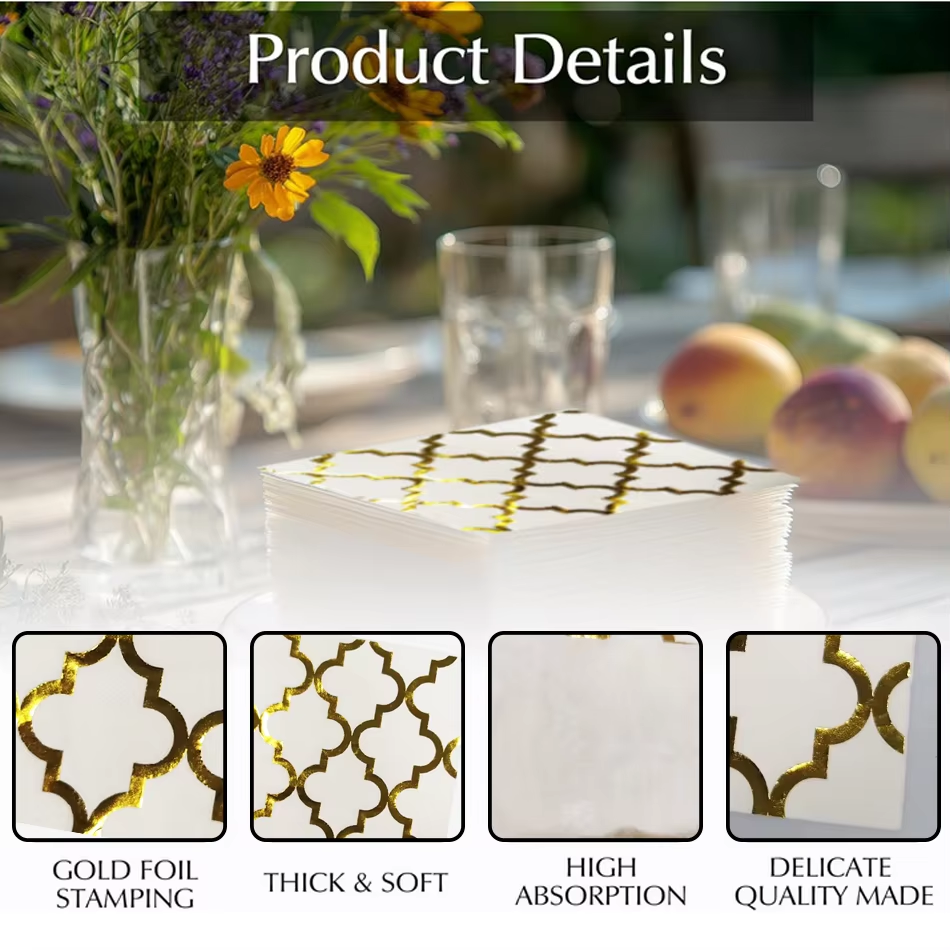
Selecting the right paper table cloth requires more than browsing product specifications. Buyers in hospitality, catering, event planning, and food service need practical evaluation methods to assess whether a paper table cloth will perform reliably during service. Strength, absorbency, and finish quality directly impact customer perception, operational efficiency, and cost effectiveness. Understanding how to test these critical properties ensures you invest in products that meet your venue's exacting standards and deliver consistent performance across events.
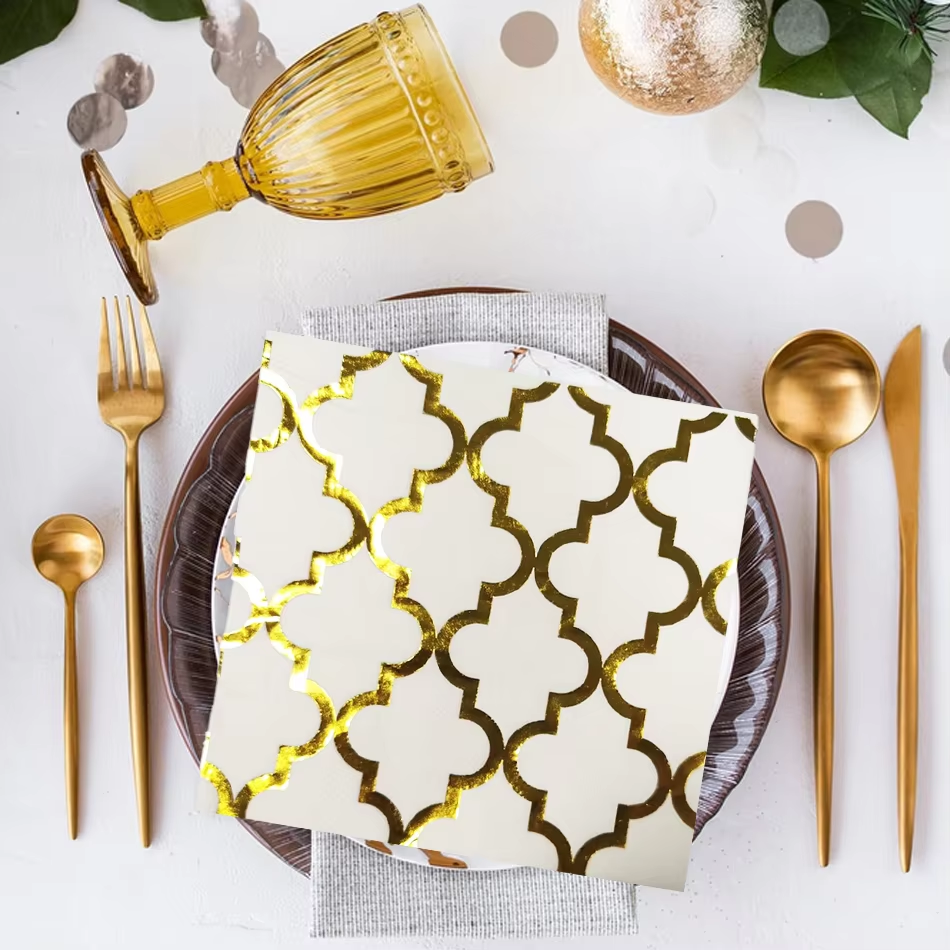
A paper table cloth must balance durability with practical functionality. Testing protocols help buyers move beyond marketing claims and verify actual material behavior under real-world conditions. This guide walks you through hands-on evaluation techniques, industry-standard assessment methods, and decision frameworks that professional buyers use when comparing paper table cloth options. Whether you're outfitting a fine dining establishment, event venue, or casual restaurant, these testing methods provide the confidence needed to make informed purchasing decisions that align with your operational needs and budget constraints.
Understanding Paper Table Cloth Testing Standards
Core Testing Dimensions for Paper Table Cloth
Professional evaluation of paper table cloth involves three interconnected dimensions that determine overall performance. Tensile strength measures how well the material resists tearing under stress. Burst strength tests how the paper table cloth withstands puncture and localized force, critical when place settings and serving equipment contact the surface. Water absorption capacity directly affects the paper table cloth's ability to contain spills and protect table surfaces underneath. These three properties work together; a paper table cloth might be strong but poorly absorbent, or highly absorbent but prone to tearing. Understanding how to evaluate each dimension independently prevents costly mistakes and ensures the paper table cloth selected truly matches your operational environment.
Why Paper Table Cloth Testing Matters for Buyers
Inadequate paper table cloth testing leads to visible failures during events. Weakness in tensile strength causes tearing around place settings or when staff members adjust the paper table cloth during service. Poor absorbency results in liquid pooling on the surface, compromising table appearance and potentially damaging underlying furniture. Inferior finish quality may include excessive dust, color bleeding, or texture degradation that detracts from dining ambiance. By conducting thorough testing before bulk purchase, buyers avoid the operational disruption, customer dissatisfaction, and replacement costs associated with substandard paper table cloth products. Testing also provides documented evidence for vendor negotiations and quality agreement establishment.
Practical Methods for Testing Paper Table Cloth Strength
Tensile Strength Evaluation for Paper Table Cloth
Testing tensile strength of paper table cloth begins with the strip test, a method accessible without specialized equipment. Tear a one-inch strip from the paper table cloth sample, then hold each end firmly and apply steady, increasing tension until the material tears. Quality paper table cloth should require noticeable force and exhibit controlled, linear tearing rather than sudden rupture. Compare multiple samples by performing this test on strips cut both horizontally and vertically across the material, as fiber orientation affects paper table cloth strength in different directions. Professional buyers often perform this test multiple times per sample to establish baseline performance, then conduct the same test on competitor materials for direct comparison. The strip test identifies whether the paper table cloth has sufficient baseline durability for typical restaurant environments.
Burst Strength Testing for Paper Table Cloth
Burst strength determines how the paper table cloth responds to concentrated force rather than directional pulling. The flat-drop test evaluates paper table cloth puncture resistance by placing a sample horizontally and dropping a weighted object (five pounds is standard) from a fixed height onto the surface. Repeat this test at different points across the paper table cloth sample to ensure consistent material composition. Quality paper table cloth typically withstands this impact without perforation or significant surface deformation. Alternative burst testing uses the wet-drop method, which repeats the flat-drop test on a dampened paper table cloth sample. This measures how burst strength changes when the paper table cloth has absorbed moisture, simulating real-service conditions. Comparing results between dry and wet conditions reveals whether the paper table cloth loses structural integrity when exposed to typical spill scenarios.
Assessing Paper Table Cloth Absorbency and Finish Quality
Water Absorption Testing for Paper Table Cloth
Absorbency directly defines how effectively the paper table cloth protects table surfaces and manages spills. The simple water-drop test measures absorption rate: place one milliliter of water on the paper table cloth surface and record how many seconds elapse before full absorption. Quality paper table cloth typically absorbs single droplets within five to fifteen seconds. For larger spill simulation, pour two ounces of water onto a horizontal paper table cloth sample and observe whether pooling occurs or if the liquid distributes and absorbs evenly. The paper table cloth should show moisture distribution across a circular area rather than forming puddles at lower points. Test multiple locations on each sample, as inconsistent absorbency in a paper table cloth batch indicates manufacturing quality issues. Additionally, wet the paper table cloth and measure how long it remains intact without falling apart, since some low-quality materials deteriorate rapidly when saturated.
Finish Quality and Durability Assessment
The finish quality of a paper table cloth encompasses surface texture, color consistency, and resistance to wear. Run your hand across the paper table cloth surface to evaluate tactile quality; premium materials feel smooth and refined rather than rough or flaky. Inspect the surface under bright light for dust, loose fibers, or inconsistent coloring that would appear unprofessional on a decorated table. Quality paper table cloth products maintain vibrant, uniform color without excessive dye bleeding when damp. Test this by placing a damp white cloth on colored paper table cloth for thirty seconds; minimal color transfer indicates stable dyeing processes. Rub the paper table cloth surface firmly with a dry cloth to simulate use and handling; excessive dust or fiber shedding suggests inadequate finishing. Test the crease recovery by folding the paper table cloth, pressing firmly for five seconds, then unfolding; quality paper table cloth shows minimal permanent creasing. These tactile assessments reveal whether the paper table cloth will maintain its appearance throughout service hours and multiple storage cycles.
Comprehensive Paper Table Cloth Evaluation Framework
Comparative Testing Protocol for Paper Table Cloth Selection
Structured comparison of multiple paper table cloth candidates provides objective purchasing decisions. Obtain three to five inch square samples from each vendor and label them clearly. Test all samples using identical methods on the same day, as environmental conditions affect paper table cloth properties. Create a simple scoring matrix documenting tensile strength (poor, average, good), burst strength results, absorption time, finish quality observations, and cost per unit. Include practical observations such as whether the paper table cloth wrinkles excessively, whether printed designs remain crisp, and whether the material handles dining service wear patterns predictably. Performance testing also identifies edge quality; examine whether the paper table cloth edges fray when handled or if they remain cleanly finished. Request sample rolls in your exact specifications and test those pre-use; finished paper table cloth rolls may perform differently than flat samples due to storage and packaging conditions.
Real-World Simulation Testing for Paper Table Cloth
The ultimate validation of paper table cloth quality occurs through controlled real-world simulation. Reserve one roll of candidate paper table cloth and use it for a trial event or service period. Document staff feedback regarding ease of handling, tear resistance during setup and breakdown, appearance maintenance throughout service, and spillage management. Photographs before, during, and after service provide visual documentation of how the paper table cloth performed under actual operating conditions. This trial testing reveals practical issues laboratory tests might miss; for example, whether the paper table cloth adheres properly to tables, whether it shifts during service, or whether printed designs distract from place settings. After this trial, make a final purchasing decision using both laboratory assessment results and operational feedback. This combined approach ensures your selected paper table cloth meets both technical specifications and real-world performance expectations, maximizing customer satisfaction and operational efficiency.
FAQ
What is the minimum acceptable tensile strength for dining service paper table cloth?
Quality paper table cloth for dining service should require sustained, meaningful force when tested using the strip method before tearing occurs. Most hospitality professionals expect premium paper table cloth to withstand at least ten pounds of pulling tension without rupture. This baseline ensures the paper table cloth resists accidental tears during placement, adjustment, and guest interaction. However, your specific requirement depends on table traffic volume and staff handling practices; high-volume catering venues may require heavier-duty paper table cloth than casual dining settings. Compare your candidate paper table cloth materials against each other using identical test protocols rather than against absolute standards, since material composition and manufacturing methods vary significantly across vendors.
How does moisture exposure affect paper table cloth performance during testing?
Testing paper table cloth in both dry and wet conditions reveals critical real-world vulnerabilities that dry-only testing misses. Moisture exposure reduces tensile strength in most paper table cloth materials because water penetrates fiber bonds and reduces friction-based cohesion. Premium paper table cloth formulations include wet-strength additives that minimize performance degradation; budget alternatives often show dramatic strength loss when dampened. During burst strength testing, wet paper table cloth samples should maintain integrity rather than becoming flimsy or fragile. This wet-performance consistency distinguishes durable paper table cloth from inferior alternatives that fail during actual service when spills and humidity affect the material. Always conduct your final evaluation tests on both dry samples and deliberately dampened paper table cloth to predict real-world behavior accurately.
Can simple observation identify quality differences between paper table cloth options?
Visual inspection alone provides incomplete assessment of paper table cloth quality because surface appearance doesn't predict strength or absorbency performance. Two paper table cloth products might look identical under casual observation but perform very differently during service. However, careful visual inspection combined with tactile testing identifies obvious defects; loose fibers, inconsistent texture, heavy dust, or visible printing errors signal manufacturing problems that typically correlate with poor strength and absorbency. Professional paper table cloth evaluation requires hands-on testing because material performance depends on internal fiber structure and molecular bonding that visual assessment cannot reveal. Start with visual and tactile screening to eliminate obviously inferior paper table cloth candidates, then conduct systematic strength and absorbency tests on remaining options to make your final selection.