 EN
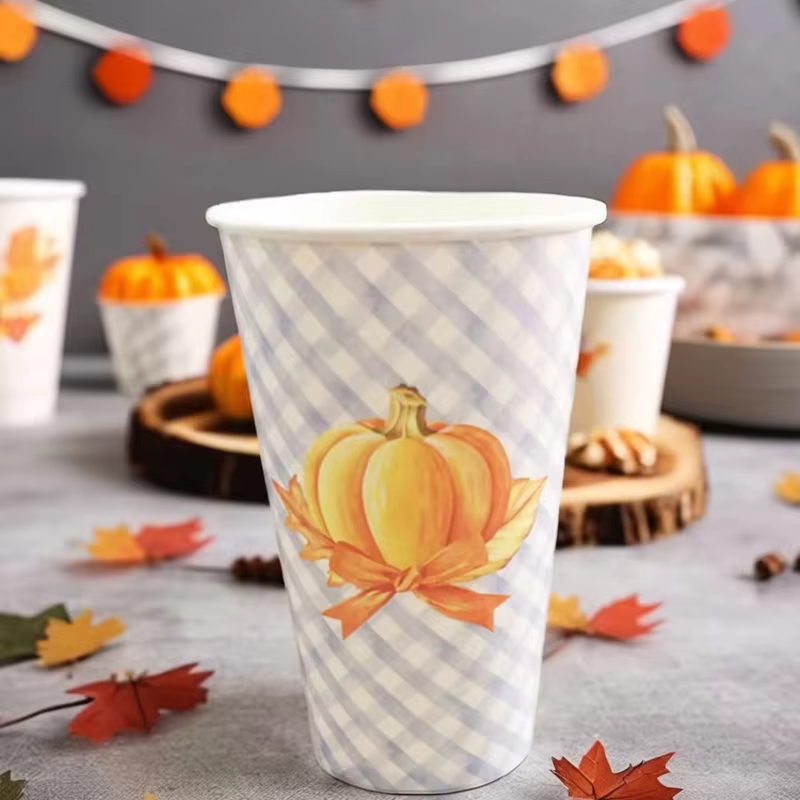
When selecting beverages for your business or event, the reliability of your serving containers matters significantly. Printed paper cups serve as both functional vessels and branding opportunities, yet their performance often goes underappreciated. Understanding the specific features that make printed paper cups resistant to leaks and easier to handle can transform your customer experience and reduce costly spills.
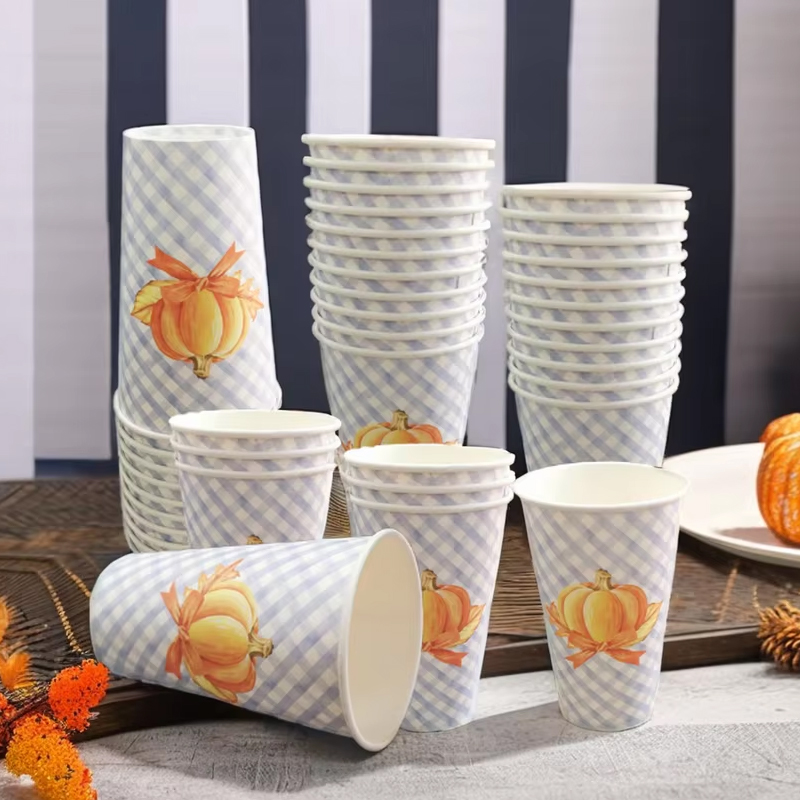
The construction quality of printed paper cups directly influences their ability to contain liquids safely while maintaining comfort during consumption. Many businesses overlook how material composition, coating technology, and structural design work together to create superior performance. By examining these core elements, you can make informed decisions about which printed paper cups best suit your operational needs.
Material Composition and Barrier Coating Technology
Understanding the Base Paper Structure
Printed paper cups begin with a foundation of virgin or recycled paper pulp that forms the structural backbone. The quality of this paper layer determines how well printed paper cups can withstand liquid exposure over time. Premium printed paper cups use multi-ply paper construction, where several layers of paper are bonded together to create density and resilience. This layered approach prevents moisture from penetrating through the cup walls and compromising structural integrity.
The thickness and composition of the paper in printed paper cups directly affects their durability and leak resistance. Thicker paper stock reduces the risk of punctures and tears during handling, while proper fiber bonding ensures the material maintains its strength even when wet. Commercial-grade printed paper cups typically feature 200–350 gsm (grams per square meter) paper, providing the optimal balance between rigidity and flexibility.
Polyethylene and Advanced Coating Systems
Printed paper cups rely on protective inner coatings to create a waterproof barrier between the paper and the beverage. Polyethylene (PE) coating is the most common technology, applied as a thin, transparent layer to the interior surface of printed paper cups. This coating prevents liquid absorption and migration through the paper fibers, dramatically reducing leak potential. The PE layer also protects ink from smudging or bleeding when the cup is printed with vibrant designs or logos.
Advanced printed paper cups now incorporate water-based or plant-derived coatings as alternatives to traditional PE. These eco-friendly options maintain the leak-prevention benefits while addressing sustainability concerns. The coating thickness in quality printed paper cups ranges from 12 to 20 microns on the interior, creating sufficient protection without adding excessive weight or cost.
Structural Design Elements That Reduce Leakage
Base and Bottom Reinforcement
The bottom of printed paper cups experiences the highest pressure and stress concentration, making this area critical for leak prevention. Premium printed paper cups feature a reinforced base with an extra-strong PE coating and specialized paper construction. Many manufacturers use a double-wall or triple-wall design at the base of printed paper cups, where the paper is folded and sealed to create multiple layers of protection.
The seam construction along the bottom edges of printed paper cups determines whether leaks develop over time. Industrial-grade printed paper cups employ ultrasonic or thermal sealing methods that permanently bond the paper layers and coating together. This sealed-seam design prevents separation and micro-gaps where liquid could escape, ensuring printed paper cups maintain integrity throughout use and transport.
Rim and Lip Engineering
The rim of printed paper cups plays a subtle but essential role in leak prevention and user experience. Quality printed paper cups feature a reinforced, slightly flared rim that provides structural support and prevents crushing or deformation. This engineering allows drinkers to hold printed paper cups securely without accidental compression that could force liquid through weak points in the sidewalls.
The lip design on printed paper cups also accommodates lids and sleeve fitting more effectively. When the rim is precisely engineered, printed paper cups create a secure seal with compatible lids, preventing spills during transport or consumption. The slight tapering of the cup walls near the rim allows for smooth lid application without gaps or misalignment on printed paper cups.
Design Features and Handling Improvements
Textured Surfaces and Grip Zones
Printed paper cups benefit from textured or embossed surface designs that improve grip and reduce accidental drops. Many manufacturers incorporate diamond patterns, ridges, or embossed zones on the exterior of printed paper cups to create friction and better handling. These tactile features prevent the common problem of wet hands slipping off smooth cup surfaces, reducing spills caused by loss of control rather than structural failure.
The positioning of these grip enhancements on printed paper cups is strategic, typically placed where users naturally hold the cup. Ergonomic research shows that printed paper cups with mid-body grip features see significantly lower drop rates and spillage incidents. Additionally, embossed or textured zones on printed paper cups can incorporate branding elements, making functional improvements and marketing work together seamlessly.
Sidewall Thickness Variation
Advanced manufacturing techniques allow premium printed paper cups to feature variable sidewall thickness that optimizes both strength and insulation. The lower portion of printed paper cups is typically manufactured thicker to support greater liquid weight and pressure, while the upper sections can be slightly thinner to reduce material waste. This intelligent thickness distribution in printed paper cups provides superior structural performance without unnecessary bulk.
Printed paper cups with optimized sidewall design also provide better insulation properties, keeping hot beverages warm and cold drinks chilled longer. The thicker paper composition reduces heat transfer, protecting consumer hands from temperature extremes while maintaining beverage quality. This dual benefit makes well-designed printed paper cups valuable across diverse beverage applications and serving scenarios.
FAQ
What coating thickness is ideal for leak-resistant printed paper cups?
The optimal interior coating thickness for printed paper cups ranges from 12 to 20 microns. This range provides sufficient waterproof protection without adding excessive weight or manufacturing cost. Thicker coatings offer marginally better protection but increase production time and material expense, while thinner applications may compromise durability over extended use periods.
Do printed paper cups with custom designs sacrifice structural integrity?
Quality printed paper cups maintain full structural integrity regardless of design complexity or custom printing. Modern printing technologies apply inks to the exterior surface only, leaving the interior PE coating and structural layers unaffected. In fact, well-executed printing on printed paper cups can enhance grip through textured effects while simultaneously strengthening brand recognition and customer appeal.
How does lid compatibility affect leak prevention in printed paper cups?
The rim engineering on printed paper cups directly determines compatibility with lids and the security of the seal. Premium printed paper cups feature precisely engineered rims that create airtight seals with matching lids, preventing leaks during transport and consumption. Mismatched cup and lid combinations or poorly manufactured printed paper cups can result in gaps that compromise even well-designed lid systems.