 EN
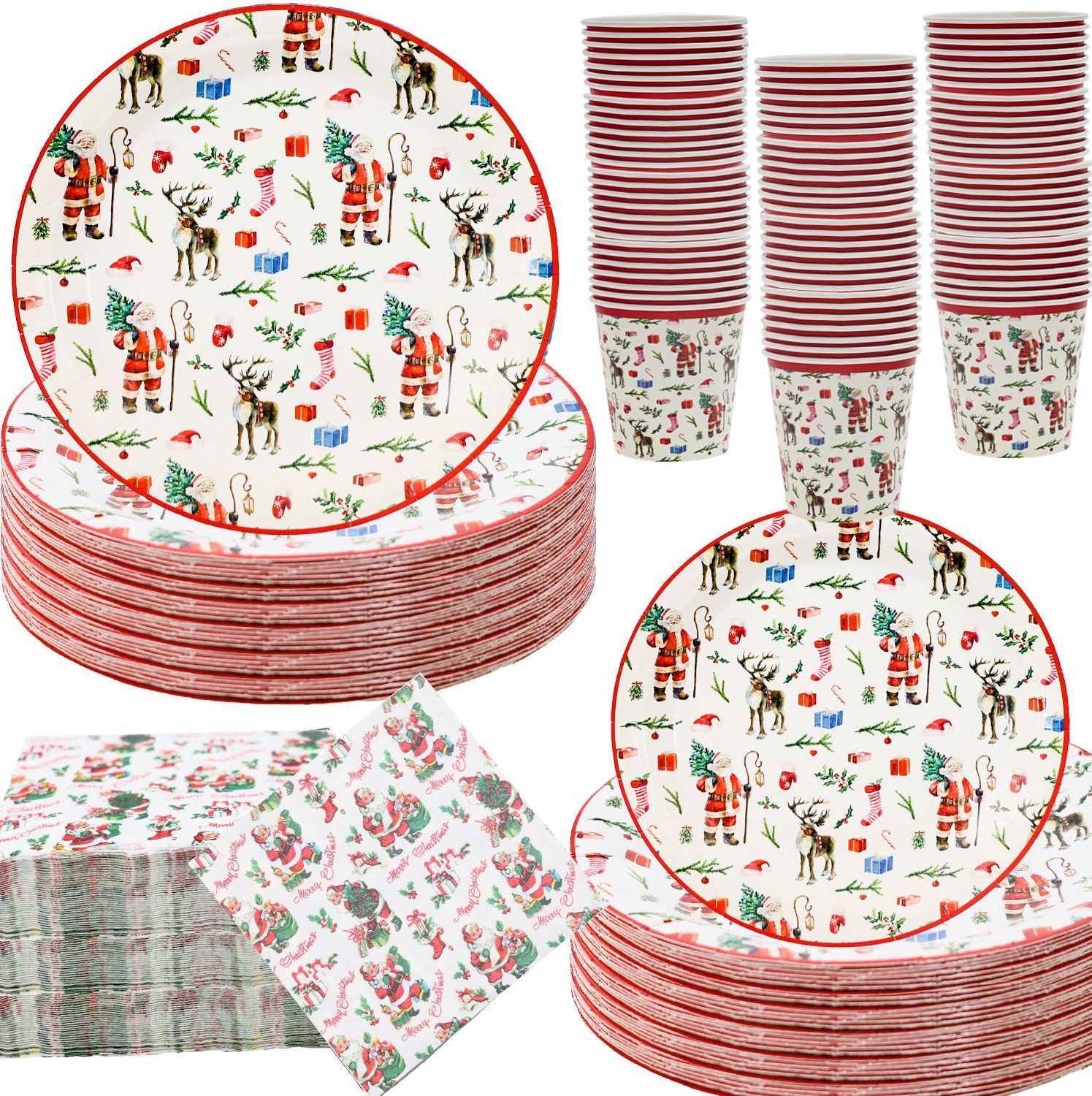
Selecting the right printed paper cups material is essential for any beverage service, whether you're managing a coffee shop, event venue, or restaurant. The choice between materials directly affects drink quality, customer experience, sustainability goals, and operational costs. Printed paper cups come in various material compositions, each designed to handle specific temperature ranges, beverage types, and usage scenarios. Understanding these differences ensures your printed paper cups perform reliably while maintaining brand consistency and environmental responsibility across hot beverages, cold refreshments, and special events.
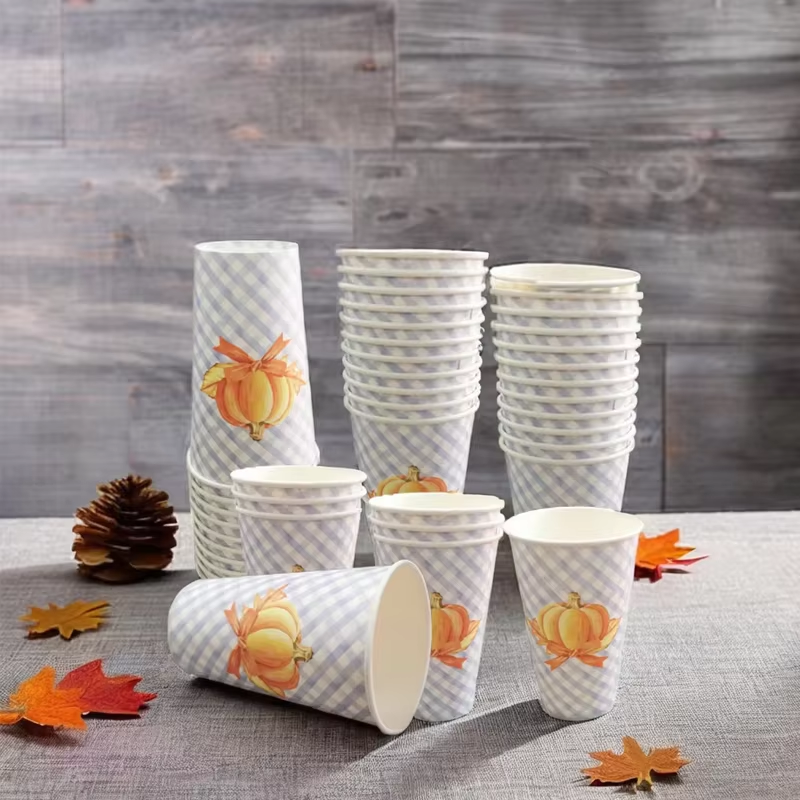
The material composition of printed paper cups determines their performance characteristics, appearance, and suitability for different applications. Printed paper cups manufactured from premium virgin pulp offer superior strength and barrier properties compared to recycled alternatives. Quality printed paper cups balance functionality with aesthetics, allowing brands to showcase vibrant designs while ensuring cups withstand the demands of commercial service. Whether serving steaming coffee, iced beverages, or cocktails at an event, the underlying material structure of printed paper cups must provide both thermal protection and structural integrity throughout the customer experience.
Hot Drink Paper Cup Materials and Insulation Properties
Single-Wall and Double-Wall Insulated Printed Paper Cups
Hot beverage service demands printed paper cups with superior insulation and heat resistance. Single-wall printed paper cups work well for indoor service where customers hold cups briefly, but double-wall construction significantly improves insulation performance. Double-wall printed paper cups trap air between layers, reducing heat transfer and preventing external surface temperatures from becoming uncomfortably hot. The inner wall of premium printed paper cups typically features a polyethylene coating that provides waterproofing and heat resistance. Many commercial operations prefer double-wall printed paper cups for hot coffee, tea, and specialty beverages because they enhance customer comfort while reducing sleeve requirements, allowing printed paper cups to display full branding without obstruction.
Thermal Barrier Coatings in Hot Service Printed Paper Cups
Advanced printed paper cups incorporate polyethylene (PE) coatings specifically engineered for thermal applications. These coatings on printed paper cups create a waterproof barrier that prevents liquid absorption and maintains structural integrity when exposed to hot liquids. Premium printed paper cups often use food-grade PE coatings that meet FDA regulations and ensure beverage safety. The coating thickness on quality printed paper cups ranges from 12 to 18 micrometers, providing durability while maintaining the printability of designs. Additionally, some printed paper cups feature biodegradable coatings derived from plant-based materials, allowing environmentally conscious businesses to serve hot beverages in sustainable printed paper cups without compromising thermal performance or structural reliability.
Cold Drink Paper Cup Materials and Moisture Management
Moisture-Resistant Materials for Cold Beverage Printed Paper Cups
Cold beverage service presents different material challenges for printed paper cups than hot drink applications. Condensation forms rapidly on the exterior of printed paper cups containing cold liquids, potentially compromising structural integrity and printed designs. High-quality printed paper cups for cold service use polyethylene-coated paperboard that resists moisture penetration and maintains rigidity even when wet. The material composition of printed paper cups serving cold drinks must prevent the cup from softening or collapsing while keeping beverages chilled without dilution. Professional-grade printed paper cups for iced coffee, smoothies, and soft drinks typically feature heavier paperboard stocks—often 12 to 16 point thickness—to maintain structural performance throughout extended cold beverage service periods.
Anti-Condensation and Grip Features in Cold Printed Paper Cups
Moisture management becomes critical in cold beverage printed paper cups, particularly for outdoor or extended-duration events. Some printed paper cups incorporate textured exterior coatings that reduce condensation visibility while improving grip and reducing slip accidents. Advanced printed paper cups may feature specialized interior coating formulations that resist moisture seepage while maintaining barrier integrity. The design of printed paper cups for cold drinks often includes reinforced sidewalls and base structures that provide additional strength against the structural stresses created by moisture absorption. Quality printed paper cups destined for cold service undergo rigorous testing to ensure they withstand condensation exposure for extended periods without compromising printed logos, artwork, or structural soundness.
Event-Specific Materials and Design Considerations for Printed Paper Cups
Durability and Visual Impact of Event Printed Paper Cups
Event environments demand printed paper cups that deliver both durability and striking visual presentation. Printed paper cups for corporate events, festivals, weddings, and promotional activities must showcase high-definition graphics while maintaining structural integrity throughout high-volume service. Premium printed paper cups use virgin paperboard with superior printability characteristics, allowing detailed color gradients, metallic finishes, and spot effects to appear vivid and professional. The material quality of event-grade printed paper cups ensures vibrant brand colors and custom designs remain sharp even after repeated handling and condensation exposure. Many event venues prefer printed paper cups manufactured from sustainably sourced materials, combining environmental responsibility with the aesthetic and functional demands of modern event service.
Multi-Purpose Material Specifications for Event Printed Paper Cups
Versatile printed paper cups suitable for events often use hybrid material compositions balancing hot and cold beverage capability. These printed paper cups feature reinforced coatings that provide thermal protection for hot beverages while maintaining moisture resistance for cold drinks and mixed refreshments. Premium event-grade printed paper cups typically incorporate polyethylene-lined interiors with exterior finishes optimized for full-color digital printing and hot foil stamping. The structural design of printed paper cups for events often includes thicker sidewalls and reinforced base construction to prevent failures during high-velocity service, transport, and outdoor environmental exposure. Selecting printed paper cups with versatile material specifications allows event planners to streamline inventory while maintaining consistent quality across diverse beverage offerings and service scenarios throughout multi-hour events.
FAQ
What material thickness should printed paper cups have for reliable performance?
Printed paper cups typically range from 8 to 16 point thickness, depending on application. Single-wall printed paper cups for cold beverages generally use 8 to 10 point stock, while double-wall printed paper cups for hot service employ 12 to 16 point paperboard. Thicker printed paper cups provide enhanced durability but may increase cost and environmental impact. The optimal thickness for printed paper cups balances structural integrity, cost efficiency, and sustainability objectives. Consulting with your printed paper cups supplier about specific weight requirements ensures your selection matches intended beverage types and service conditions.
Are printed paper cups with biodegradable coatings suitable for all beverage types?
Biodegradable-coated printed paper cups work effectively for most beverage applications, though performance varies by coating composition. Some printed paper cups with plant-based coatings perform excellently with cold drinks and moderate-temperature beverages but may have limitations with extreme heat exposure. Premium eco-friendly printed paper cups manufactured with advanced biopolymer formulations now match conventional polyethylene-coated printed paper cups in thermal performance. Before selecting biodegradable printed paper cups, verify that your chosen coating formulation meets your specific beverage temperature requirements and regulatory certifications. Many suppliers provide detailed specification sheets for printed paper cups materials, helping businesses confirm compatibility with their service needs.
How do printed paper cups materials affect printing quality and design durability?
The base material of printed paper cups significantly influences print clarity, color vibrancy, and design longevity. Virgin paperboard printed paper cups deliver superior printability compared to recycled alternatives, allowing sharper details and richer color reproduction. Printed paper cups with specialized surface coatings enhance ink adhesion and resist fading from moisture and extended handling. Premium printed paper cups often feature pre-treatment surfaces that optimize compatibility with digital printing, flexographic printing, and hot foil stamping techniques. Quality printed paper cups maintain print integrity even after exposure to condensation, temperature variations, and outdoor environmental stress, ensuring brand visibility and professional appearance throughout the beverage service lifecycle.